
Nav Bharat Jagriti Kendra
Nav Bharat Jagriti Kendra
Empowering a Woman with Disability: Rinki Kumari’s Journey towards Self-Reliance
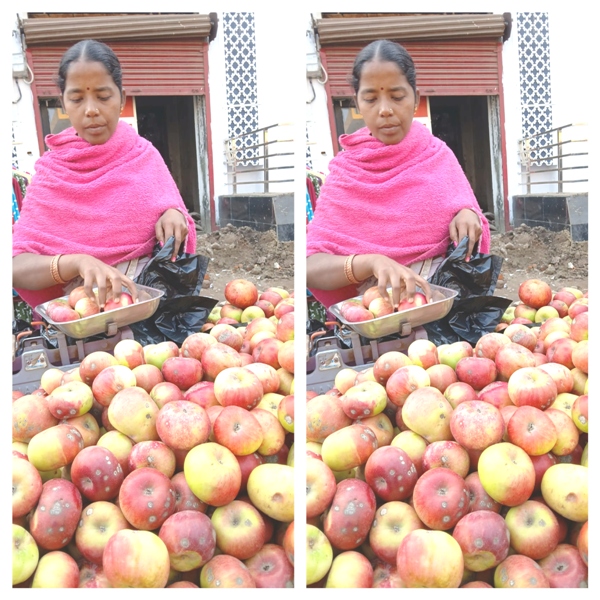 12 March 2026, Patna: On the occasion of the International Women’s Day Fortnight, the inspiring story of Rinki Kumari (35) from Gaurichak, Patna highlights how community support and inclusive development can transform lives.
Rinki Kumari, wife of Manoj Saw, lives near Gaurichak Police Station and is affected by locomotor disability. She belongs to a very poor family where her husband was the only earning member, but most of his income was often spent on unhealthy habits. As a result, the family frequently faced financial hardship and domestic stress.
When the team of the Community Based Inclusive Development (CBID) Project, implemented by Nav Bharat Jagriti Kendra (NBJK) with the support of Bajaj Finserv, learned about Rinki’s situation, they first facilitated the issuance of her UDID (Unique Disability ID) card and linked her with various government social security schemes. She also began receiving the disability pension provided by the government.
However, the project team realized that sustainable improvement in her family’s condition required a regular source of income. After counselling and motivation, Rinki decided to start a small fruit vending business. With seed money support from the project, she purchased a cart and began selling fruits near Gaurichak Police Station after procuring them from the wholesale market.
Today, the business provides her with a modest but steady income, helping the family manage their daily needs. The project also facilitated the issuance of a UDID card for her daughter with disability and linked her with relevant government benefits.
Rinki has now become an active member of the local Disabled Persons Organization (DPO) and regularly participates in its meetings. Her fruit business is gradually growing, and during festival seasons she earns some additional income.
Through continuous guidance and support under the CBID Project, there has been a remarkable improvement in the family’s living conditions as well as in Rinki’s confidence and social participation. Her journey stands as an example of how inclusive community initiatives can empower women with disabilities and help them lead dignified and self-reliant lives.