
Nav Bharat Jagriti Kendra
Nav Bharat Jagriti Kendra
NBJK and Sightsavers India Celebrate World Sight Day in Hazaribagh

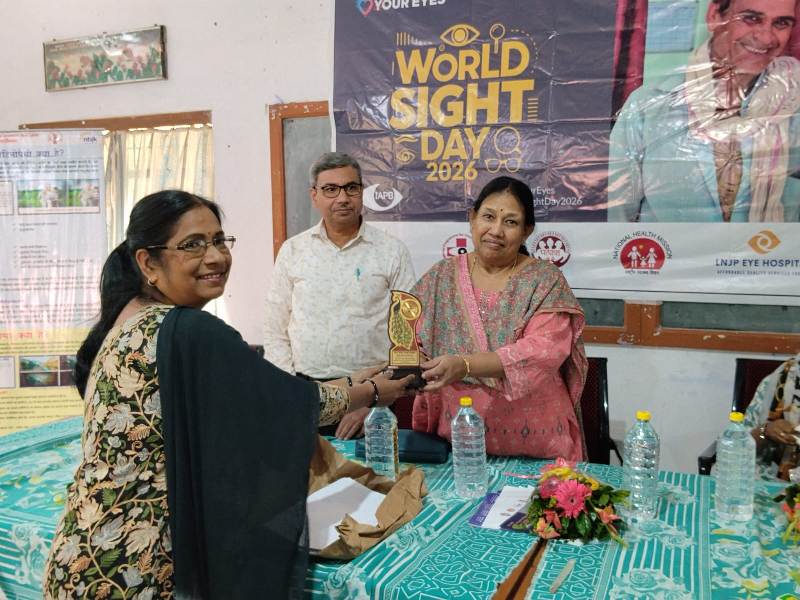 14 October 2026, Hazaribagh: Sightsavers India and Nav Bharat Jagriti Kendra (NBJK) jointly celebrated World Sight Day at Jan Vikas Kendra, Julu Park, Hazaribagh. The programme brought together 115 participants from the community, Education Department, JSLPS and Community Health Centres, including 49 persons with disabilities and 18 children with low vision.
Dr. Shashi Jaiswal, Assistant Chief Medical Officer, Sadar Hospital, and ophthalmologist Dr. Umesh Prasad attended as chief guests. They emphasised that eyesight is a precious gift of nature and that protecting vision is everyone’s responsibility.
Six individuals and community representatives were honoured for their contributions to blindness control. Manju Devi and Uma Devi of Daru block received awards as outstanding Sahiyas; Deepak Kumar, Ophthalmic Assistant at Community Health Centre, Barhi, was recognised for quality OPD services; and Manjula Tigga and Prabha Bilung of Bishnugarh block were honoured for referring cataract patients for appropriate treatment. Chandni Mushrat, Mukhiya of Daru Panchayat, and Anwarul Haq, Mukhiya of Khutra Panchayat, received mementoes for encouraging people with eye problems to seek treatment.
An eye screening camp organised by NBJK’s Loknayak Jayaprakash Eye Hospital, Bahera, Chouparan, examined 68 people. Refractive errors were detected in 25 individuals, and 22 beneficiaries received free spectacles.
The programme was coordinated with significant contributions from Kirti Rawat, District Rural Eye Health In-charge, and Raman Vishwakarma, Social Inclusion Officer, representing NBJK and Sightsavers India.
JP’s 124th Birth Anniversary Observed in Hazaribagh
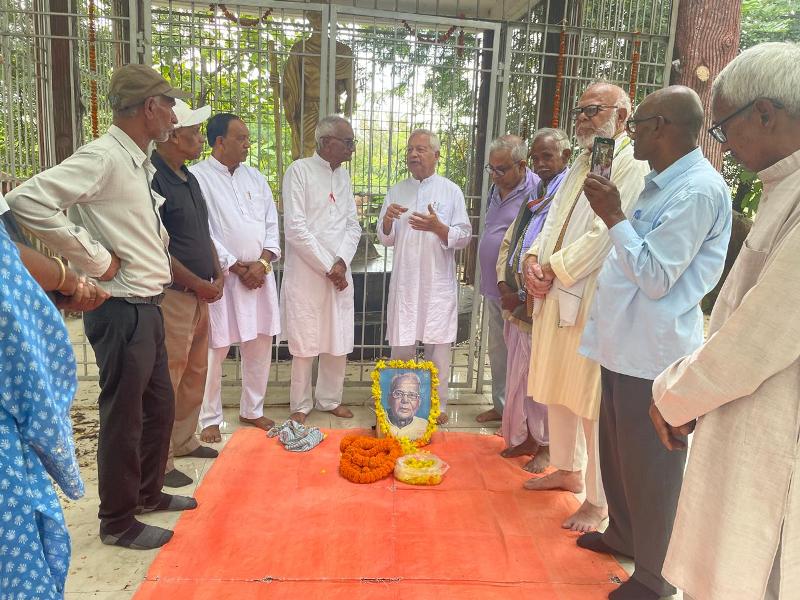 11 October 2026, Hazaribagh: Veterans of the 1974–77 JP Movement paid floral tributes to Loknayak Jayaprakash Narayan on his 124th birth anniversary at his life-size statue inside Loknayak Jayaprakash Narayan Central Jail and at the JP Memorial near Gandhi Smarak Premises, Kumhartoli.
Jail Superintendent Chandrashekhar Prasad Suman welcomed the visitors and discussed skill development training for inmates with Girija Satish, President of Nav Bharat Jagriti Kendra (NBJK). Senior advocate and JP Movement veteran Swaroopchand Jain presented him with a book on the Emergency.
At a discussion held near the JP Memorial, Swaroopchand Jain described JP as a true disciple of Mahatma Gandhi who remained above the lure of political power. Girija Satish recalled his association with JP in Musahari block of Muzaffarpur district, highlighting his humility and sensitivity towards ordinary people. Other speakers, including former teacher Krishna Thakur, Dr. Vishwanath Azad and advocate Arvind Jha, reflected on JP’s ideals and enduring relevance. Omika Jain presented verses by Rashtrakavi Ramdhari Singh Dinkar in his honour.
The gathering decided to hold a meeting of JP’s followers on 25 October at NBJK’s Coordination Office, Amrit Nagar, to plan future activities at the memorial.
Former MLA Gautam Sagar Rana, Shankar Rana, Arjun Yadav, JP Jain, Arvindji Sahay, Shamsher Alam, Dr. Shyam Kishore, Chandranath Bhai Patel, Md. Khalid, Prof. Santosh Kumar, Dr. Chandan Kumar, Priyanshu, Vikas and Vinay Bhatta, among others, participated in the programme.
Climate-Resilient Agriculture Initiative Strengthens Farmers in Chanho
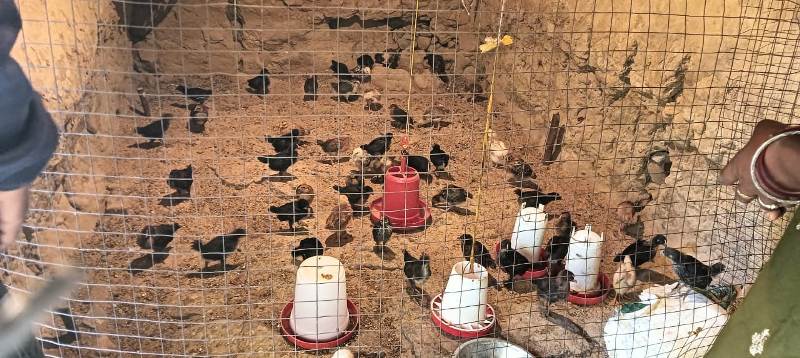 08 October 2026, Ranchi: With support from MetLife Foundation, NBJK is implementing the Food Security and Climate Resilient Agriculture Initiative in seven villages of Chanho Block, Ranchi, reaching around 2,000 small and marginal farmers, mainly from tribal communities.
The initiative is promoting food security, improved irrigation, climate-resilient farming and diversified livelihoods. 600 households received kitchen garden kits, while 33 farmer groups were supported with electric pump sets. 70 households received backyard poultry support, including 5,815 chicks.
Around 170 farmers participated in exposure visits to Birsa Agricultural University and Ramakrishna Mission Ashrama. An IoT-enabled weather station with two soil-moisture sensors was also installed at Tala to support data-based irrigation and crop planning.
Through government convergence and support from IFFCO, farmers also benefited from improved seeds, Nano Urea, KVK training and soil-health-based recommendations.
The initiative is strengthening community-led, climate-resilient agriculture by improving farmers’ access to knowledge, technology, irrigation, productive inputs and institutional support.
MNSKPCL Holds 8th Annual General Meeting in Khunti
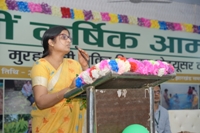
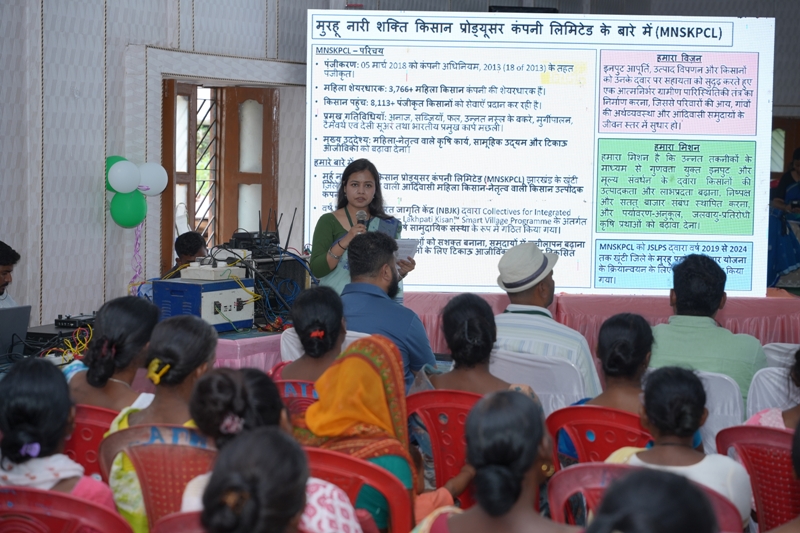 07 October 2026, Khunti: The 8th Annual General Meeting of Murhu Nari Shakti Kisan Producer Company Ltd. (MNSKPCL) was held at Town Hall, Khunti on 29th September, with the participation of women shareholders, Board members, producer group representatives and partner institutions.
Promoted under CInI-Tata Trusts supported Lakhpati Kisan Smart Village project and registered in 2018, MNSKPCL is a women-led Farmer Producer Company serving primarily tribal farmers. It currently has 3,766+ women shareholders and provides services to 8,113+ registered farmers. The company recorded a cumulative business of ₹27.49 crore during 2018–2026, with its turnover reaching ₹6.11 crore in 2025–26. The business target for 2026–27 is ₹6.78 crore.
The company provides agricultural inputs, procures and markets farm produce, and promotes livestock and fisheries-based livelihoods. Value addition of millet, tamarind, jackfruit, mango and lac products is also being promoted.
Its livelihood interventions cover 155 revenue villages and 25 Gram Panchayats, involving 683 SHGs and 102 Producer Groups. More than 7,024 families are engaged in high-value agriculture and 4,751 in lac cultivation. The programme has also established 143 solar lift irrigation units.
During the year, MNSKPCL expanded to 30 villages in Rania block, covering around 2,500 families and 30 new Producer Groups. Three women representatives from Rania have joined the company’s Board, further strengthening women’s participation in decision-making.
Shivani Roshan, DDM, NABARD-Khunti, encouraged the company to bring more women farmers into its shareholder base. Umesh Rana highlighted the partnership of CInI, NBJK and MNSKPCL under the Lakhpati Kisan Smart Village programme and NBJK’s role in strengthening the women-led FPO. Santosh Kumar Soni from the District Industries Department briefed participants on PMFME loans, Artisan Cards and other enterprise support opportunities.
The AGM also reported a total share capital of ₹32.61 lakh and a profit after tax of ₹16.72 lakh for 2025–26. CA Amit Gupta, Gupta Associates, was reappointed as the company’s auditor. The programme was conducted by Pammy Reshma Toppo.
Discussion on Gandhian Values Held at NBJK on Gandhi Jayanti
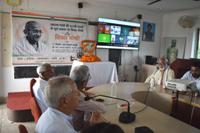
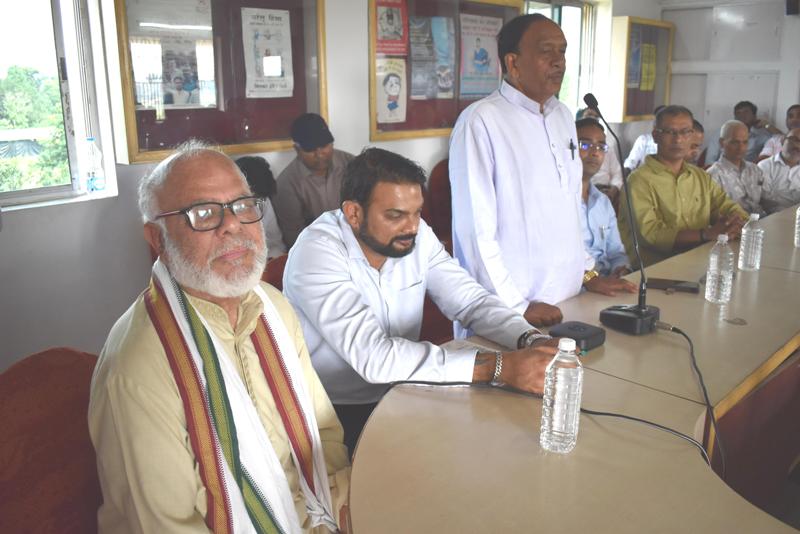 02 October 2026, Hazaribagh: Hazaribagh District Lok Samiti and Jagriti Socio-Economic Empowerment Services (JSEES), Ranchi jointly organised a discussion on Mahatma Gandhi’s 157th birth anniversary at NBJK, Amrit Nagar, Hazaribagh.
Senior advocate and JP movement veteran Shri Swaroopchand Jain chaired the programme. Speakers including NBJK President Shri Girija Satish, former MLA Shri Gautam Sagar Rana, Jharkhand State Lok Samiti President Shri Satish Girija, State Convener Shri Shankar Rana, Shri Gandharv Gaurav, Shri Anand Abhinav and others discussed Gandhi’s relevance to contemporary challenges such as violence, inequality, environmental crisis, unemployment and inadequate healthcare.
The speakers highlighted Gandhian principles of non-violence, self-reliance, trusteeship, social justice and collective action, and stressed the need to engage youth with his values. Participants also sang “Raghupati Raghav Raja Ram” collectively. People from Deoghar, Dumka and other locations joined the programme through video conferencing.
Gandhi Jayanti Celebrated with 10 KM Youth Marathon at Dudhani
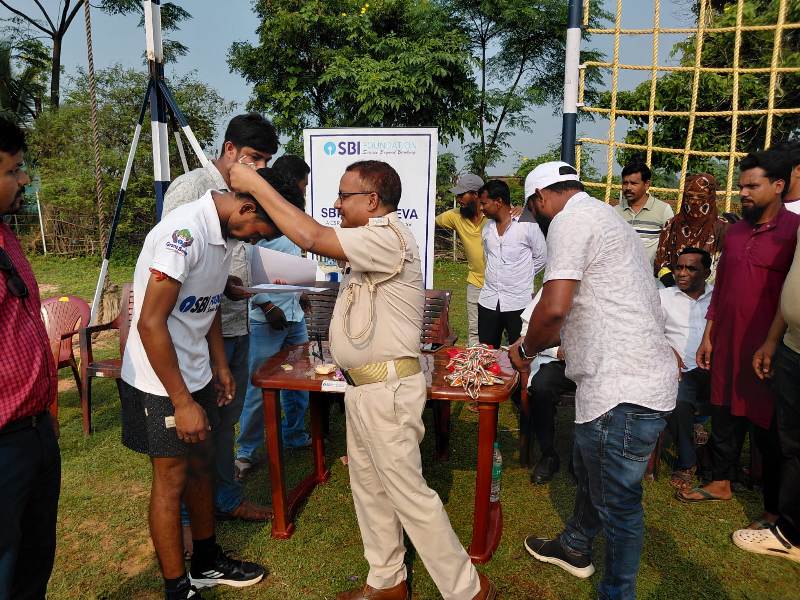 02 October 2026, Jamtara: The 157th birth anniversary of Mahatma Gandhi was celebrated with enthusiasm at Dudhani village in Fatehpur block of Jamtara district under the SBI Gram Seva Project, implemented by Nav Bharat Jagriti Kendra (NBJK) with support from SBI Foundation.
As part of the celebration, 27 youths from the Youth Training Centre at Dudhani participated in a 10 KM Marathon running event. The event encouraged young people to embrace fitness, discipline, healthy living and active participation in community life.
Sujit Pawariya of Mahishkhura village secured the first position, while Mahendra Murmu of Turka village stood second and Naresh Tudu of Maldiha village secured third position.
The Assistant Sub-Inspector (ASI) of Fatehpur Police Station attended the programme as the Chief Guest and distributed medals and certificates among the winners and participants.
The SBI Gram Seva Project is being implemented by NBJK across five villages—Bamandiha, Mahishkhura, Turka, Dudhani and Karjori—under Bamandiha Panchayat of Fatehpur block. The project focuses on integrated rural development through interventions in education, health, agriculture, veterinary services and youth empowerment, among other areas.
The Gandhi Jayanti celebration provided an opportunity to connect the Mahatma’s message of healthy living, self-discipline and community participation with the aspirations and energy of rural youth.
Renovated Anganwadi Centre Inaugurated at Bhagabandh
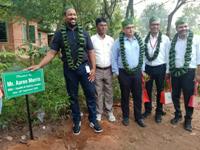
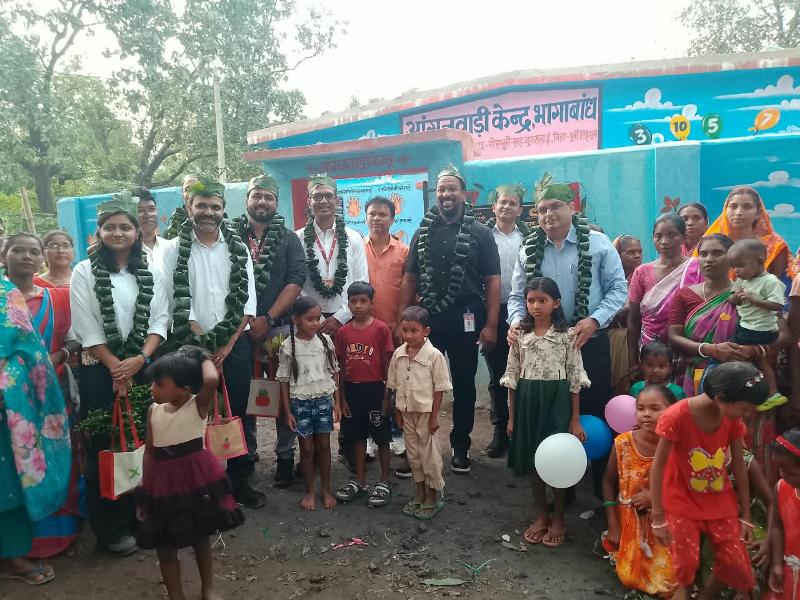 01 October 2026, Bhagabandh (East Singhbhum): A renovated Anganwadi Centre at Bhagabandh Village in Golmuri-Jugsalai Block of East Singhbhum district was formally inaugurated on yesterday under the Model Village Project – Chhota Banki, being implemented by Nav Bharat Jagriti Kendra (NBJK) with support from Cummins India Foundation.
The inauguration was attended by Mr. Aaron Morris, Global Safety & Health Leader, Cummins India Limited; Mr. Yashvardhan Patil, Global Safety-Health Manager; and Mr. Ajitesh Moonga, Plant Head, Jamshedpur.
Local villagers and community members participated enthusiastically in the programme and warmly welcomed the visiting dignitaries. Their active involvement reflected the strong sense of community ownership associated with the Model Village Project.
During the visit, the Cummins India team appreciated the participation and support extended by the community and expressed satisfaction with the renovation and overall development of the Anganwadi Centre.
The programme concluded in a positive and encouraging atmosphere, highlighting the importance of community participation, local ownership and collaborative efforts in creating improved facilities and strengthening rural development initiatives.
6,495 Breakfasts and 6,495 Lunches Served in 11 School Days
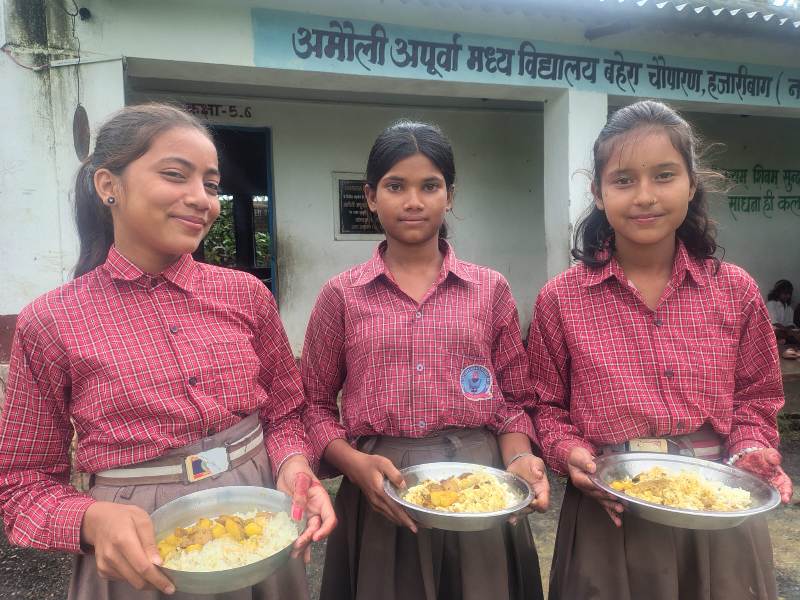 19 September 2026, Chouparan, Hazaribagh: Under the Feeding India Programme, supported by Eternal Foundation, NBJK-run schools in Chouparan block of Hazaribagh district provided nutritious breakfast and lunch to their students over 11 school days in the first fortnight of this month.
During the period, a total of 6,495 breakfasts and an equal number of lunches were served, amounting to 12,990 meals. The school-wise figures were 5,316 meals at Amoli Apurva High School, Mangarh; 3,172 at Amoli Apurva Middle School, Bahera; 2,378 at Amoli Apurva Middle School, Prajapat Nagar; and 2,124 at Chandrakala Devi Daga High School, Kewaliya.
The children were served sprouted gram or green gram with milk for breakfast, while lunch consisted of rice, pulses and vegetables, providing nutritious food during the school day.
The initiative has been warmly appreciated by the local community, particularly women, who traditionally shoulder much of the responsibility for cooking and feeding children in their families. The programme not only supports children’s nutritional needs but also provides meaningful assistance to families.
Through such initiatives, NBJK and its partners continue to strengthen efforts towards child nutrition, education and well-being, helping children attend school with access to regular and nutritious meals.
Rural Livelihood Programme Strengthens Farming in Khunti
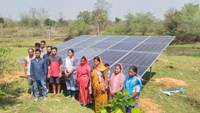
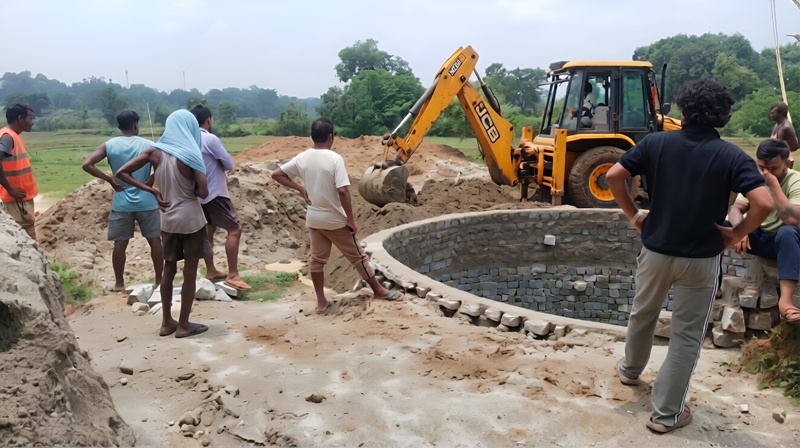 09 September 2026, Rania (Khunti): With support from Azim Premji Foundation (APF), NBJK is implementing the Rural Livelihood Development Programme in Rania Block to promote climate-resilient agriculture, lac cultivation and livestock among small, marginal and landless households. The programme aims to reach 2,750 households across nearly 30 villages.
During the first year, a baseline survey covered 996 households in 24 villages, mapping 1,703 acres of cultivable land. Agriculture interventions supported 730 farmers in paddy, 608 in High Value Agriculture, 604 households in finger millet, 554 in pulses, and 423 in Rabi vegetables.
The programme also strengthened farmer capacity through training, field days, exposure visits and Gram Sabha consultations, while establishing MIS-based monitoring and community-level systems for effective implementation.
The initiative is creating a strong foundation for diversified, productive and climate-resilient rural livelihoods in the region.
Five FPOs Hold AGM in Choreya, 190 Farmers Participate
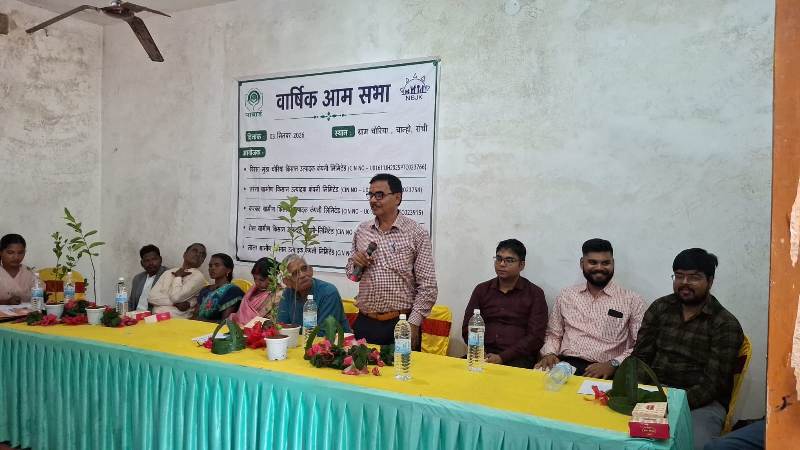 03 September 2026, Chanho, Ranchi: The Annual General Meeting (AGM) of five Farmer Producer Organisations (FPOs) was held at Choreya village in Chanho block, Ranchi, with the participation of around 190 farmers.
The five FPOs—Birsa Munda Choreya, Taranga Gramin, Karkat Gramin, Roll Gramin and Tala Gramin Farmer Producer Companies—are being strengthened under the HDFC Bank Parivartan-supported Focused Rural Development Program (FRDP) implemented by Nav Bharat Jagriti Kendra (NBJK).
The meeting was attended by Mr. O.P. Sharma, SMS, KVK; Shri Satish Girija, Secretary, NBJK; NBJK’s Program Manager and team; FPO office bearers and farmer members.
Discussions focused on FPO progress, active membership, institutional management, collective procurement of paddy, technical support, collective marketing, market linkages and better price realisation. Farmers also shared their experiences and suggestions for strengthening FPO operations.
The meeting highlighted the convergence of FRDP with NABARD’s Producer Organisation Development Fund (PODF) initiative, under which the five FPOs were formed and strengthened in April 2024. The convergence aims to enhance institutional capacity, leadership and collective action while creating better opportunities for farmers through procurement, input services, marketing and market linkages.