
Nav Bharat Jagriti Kendra
Nav Bharat Jagriti Kendra
NBJK Provides Nutritious Meals to School Children under Feeding India Program
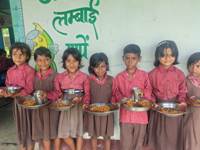
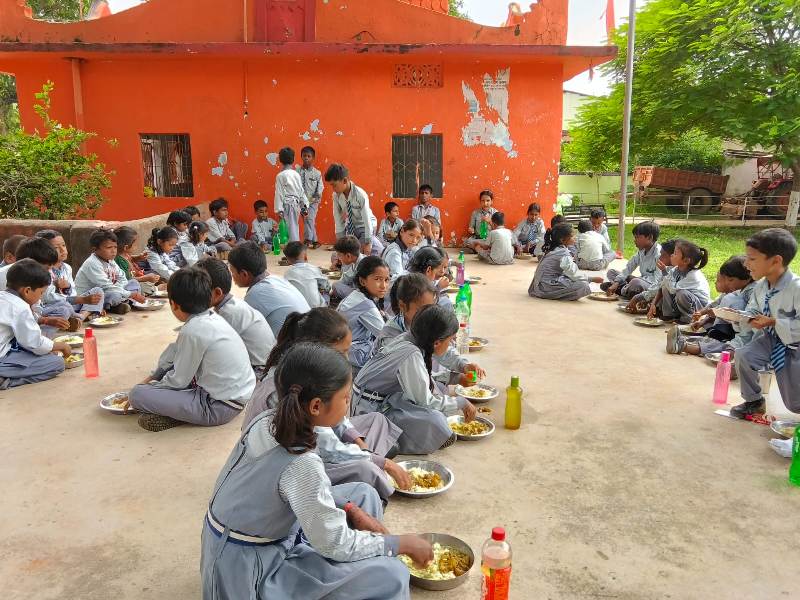 02 September 2026, Hazaribag: During the second fortnight of August 2026, Nav Bharat Jagriti Kendra (NBJK) served 6,162 breakfasts and an equal number of lunches over 11 school days to school children in Chouparan block of Hazaribag district.
The food program is being supported under the Feeding India Program by Eternal Foundation and is being implemented in four NBJK-supported schools—Amoli Apurva High School, Mangarh; Amoli Apurva Middle School, Bahera; Amoli Apurva Middle School, Prajapat Nagar; and Chandrakala Devi Daga High School, Kewaliya.
During the period, the four schools received a total of 12,324 meals—6,162 breakfasts and 6,162 lunches. School-wise, the number of meals served was 4,916 at Mangarh, 3,018 at Bahera, 2,230 at Prajapat Nagar and 2,140 at Kewaliya.
The children were provided sprouted gram or green gram with milk for breakfast, while lunch consisted of rice, pulses and vegetables, ensuring a nutritious and balanced meal during the school day.
The initiative has been warmly appreciated by teachers, children and parents, particularly mothers. They feel that receiving nutritious meals at school helps children remain energetic and free from hunger during the day, enabling them to participate more actively in classroom activities and concentrate better on their studies.
The program reflects NBJK’s continued commitment to promoting child nutrition, well-being and quality education, while supporting children from rural communities to learn and grow in a healthy environment.
Two-Day Orientation of SBI Sanjeevani Clinic on Wheels Team Concludes
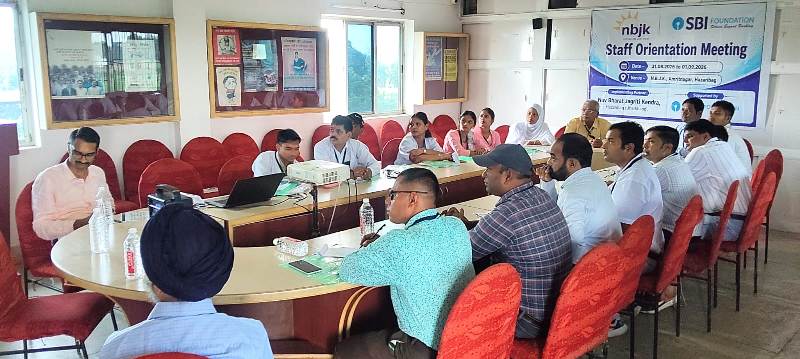 01 September 2026, Hazaribagh: A two-day orientation programme for healthcare professionals under the SBI Sanjeevani Clinic on Wheels, supported by SBI Foundation and implemented by Nav Bharat Jagriti Kendra (NBJK), concluded today.
The programme serves 60 villages in Kunda and Lawalong blocks of Chatra, Poraiyahat block of Godda and Pakuria block of Pakur, providing free medical consultation, essential diagnostic services and medicines through Mobile Medical Units.
Doctors, lab technicians, pharmacists and drivers participated in the orientation. Expert sessions covered clinical service delivery, medico-legal aspects, data management, programme monitoring, community participation, health education, maternal-child-adolescent health, menstrual hygiene, infection prevention, rational medicine use, patient counselling, communication and teamwork.
The orientation aimed to strengthen the healthcare teams’ knowledge and skills for delivering quality, accessible and community-centred primary healthcare to rural and underserved communities.
NBJK Organizes 12 Eye Screening Camps Across Deoghar, Banka and Jamui
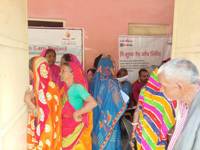
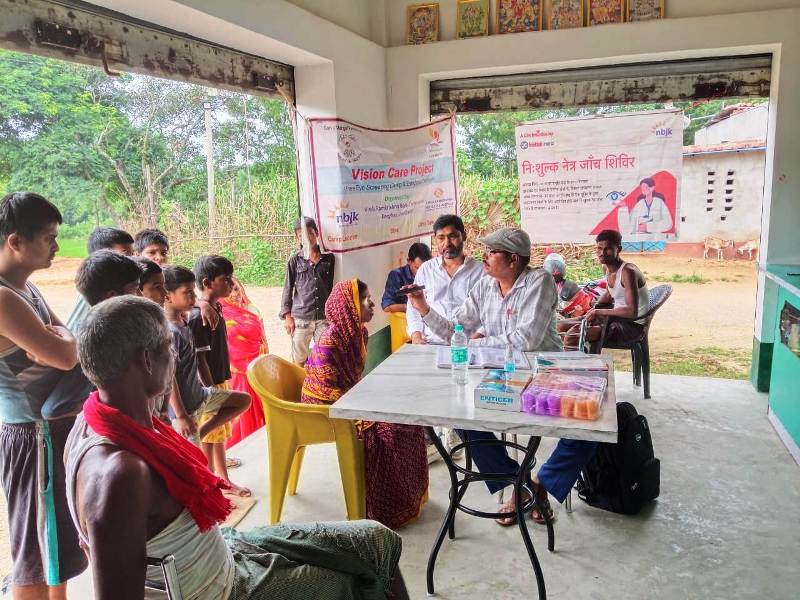 27 August 2026, Deoghar: Nav Bharat Jagriti Kendra (NBJK)-run Vimla Ramkrishna Bajaj Eye Hospital, Deoghar, organized 12 eye screening camps between 30 July and 26 August 2026, bringing essential eye care services to remote and underserved villages in the districts of Deoghar, Banka and Jamui.
Through these camps, a total of 326 people underwent comprehensive eye examinations, and 103 cases of cataract were detected. The outreach programme also enabled 155 persons to receive refraction check-ups, while 27 patients were provided medicines on the spot. In addition, 11 cases of pterygium were identified, and 29 patients were referred to the base hospital for further examination and treatment.
All patients identified with cataract have been called to the base hospital for free cataract surgery. The support covers not only the surgery but also travel, meals, medicines and follow-up care, ensuring that financial constraints do not prevent people from accessing sight-restoring treatment.
The initiative reflects NBJK’s continued commitment to taking quality and affordable eye care services to people living in remote and underserved communities.
The organization gratefully acknowledges the valuable support of Kotak Neo, Sightsavers India and Shrimad Rajchandra Sarvamangal Trust in making this important eye health initiative possible.
Netra Vasant Programme Launched in Nawada to Strengthen Eye Health Services
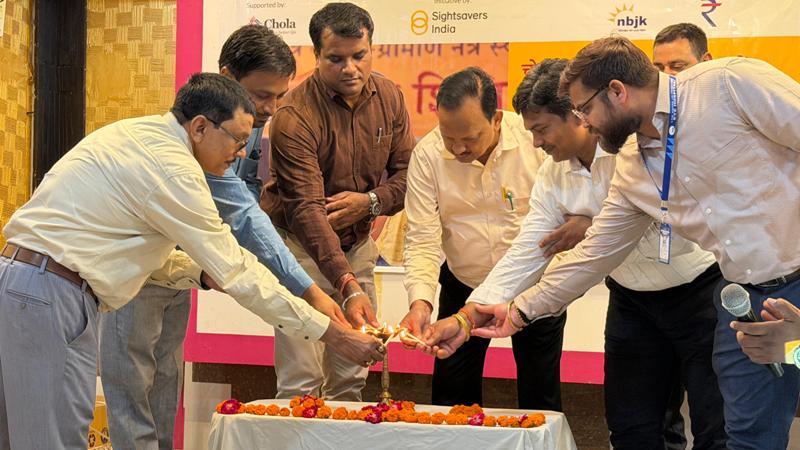 26 August 2026, Nawada, Bihar: Nav Bharat Jagriti Kendra (NBJK), in collaboration with Sightsavers India and with support from Cholamandalam Investment and Finance Company, has launched the four-year Netra Vasant Programme on 21 August in Nawada district with the objective of strengthening eye health services and contributing to the prevention of avoidable blindness.
The programme was formally inaugurated by Civil Surgeon Dr. Vinod Kumar Choudhary, ACMO Dr. Aftab Kaleem, District Immunization Officer Dr. Yogendra Prasad and other distinguished guests. Speaking on the occasion, Civil Surgeon Dr. Choudhary appreciated the initiative and said that the programme would help increase awareness about eye health at the community level while enabling people in need to access appropriate eye care and treatment.
During its first phase, the Netra Vasant Programme will be implemented in Narhat, Meskaur, Sirdala and Hisua blocks of Nawada district. Systematic outreach screening camps will be organized in villages across these blocks to identify people with eye problems and connect them with eye examination, treatment and necessary referral services.
The programme will focus on early identification and timely treatment of eye conditions, thereby helping reduce avoidable blindness and improve access to quality eye care among underserved communities. Loknayak Jayaprakash Eye Hospital, Kajha (Wazirganj, Gaya), operated by NBJK, will play a key role in providing treatment and referral support. The hospital is conveniently accessible to people from Gaya, Jehanabad and Nawada districts.
The launch programme was attended by Dr. Jitendra Kumar, Senior Programme Officer, Sightsavers India; Saurabh Raj, Manager, LNJP Eye Hospital; District Programme Officer Santosh Kumar, along with several other dignitaries and representatives.
The Netra Vasant Programme marks an important step towards bringing comprehensive eye health services closer to rural communities and ensuring that people receive timely care to protect and preserve their vision.
Free Eye Screening Camp Organized for Electricity Department Employees
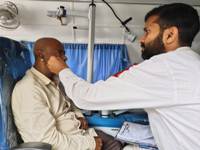
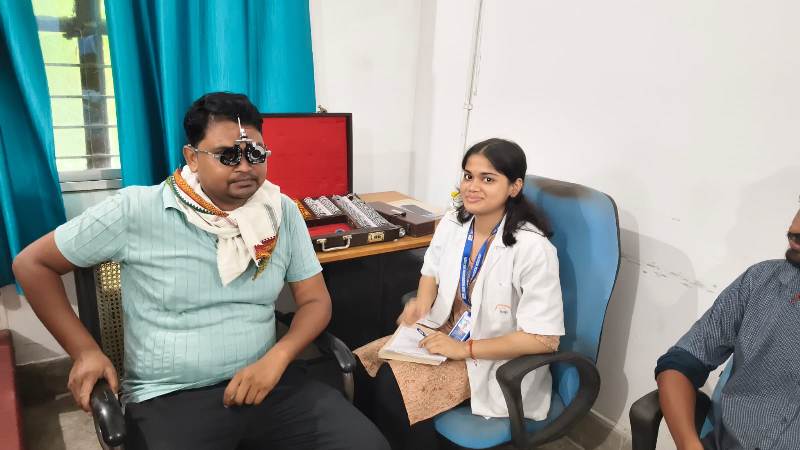 22 August 2026, Hazaribagh: Loknayak Jayaprakash Eye Hospital, Bahera Ashram, Chauparan, operated by Nav Bharat Jagriti Kendra (NBJK), organized a free eye screening camp today at the Office of the General Manager, Electricity Department, Julu Park, Hazaribagh.
The camp was organized for officers and employees working in various offices of the Electricity Department in Hazaribagh. A total of 139 officers and employees underwent free eye examinations during the camp. Following the examinations, 83 people were provided with spectacles, while 118 people received free medicines.
On the occasion, Mr. Ashok Kumar Upadhyay, Superintending Engineer, Jharkhand Bijli Vitran Nigam Limited, was felicitated with a memento by Mr. Gandharv Gaurav, Programme Director, Nav Bharat Jagriti Kendra, in recognition of his support and cooperation.
The eye screening camp was attended by Executive Engineers Shekhar Suman, Amrit Prasad, Manoj Kumar Singh and K. M. Hessa; Assistant Engineers Krishnadev Prajapati, Shankar Singh, Saurabh Linda and Satyanarayan Bhokta; and Junior Engineers Onkar Jaiswal and Abhishek Anand, among others.
The eye hospital team included Santosh Puri, Manager; Vikrant Singh and Ambarnidhi Shroff, Optometrists; Virendra Dangi and Dinesh Ram, MTS staff, along with students of the LNJP Paramedical Institute.
The initiative reflects NBJK and Loknayak Jayaprakash Eye Hospital’s continued commitment to promoting accessible and timely eye care and creating greater awareness about the importance of regular eye check-ups.
NBJK Hosts Raksha Bandhan and Drug Awareness Pledge Ceremony
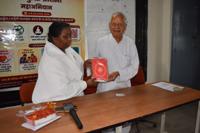
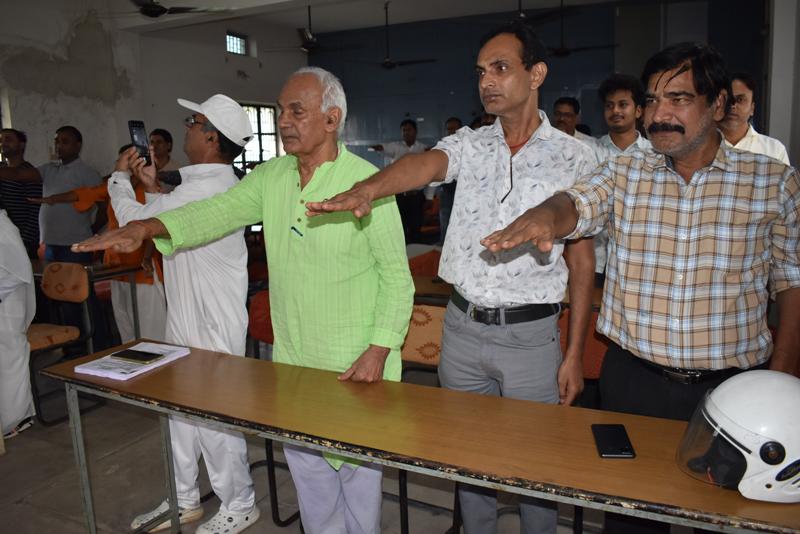 20 August 20226, Hazaribagh: A Raksha Bandhan, Drug Awareness and Pledge Ceremony was organized on 20 August at the Coordination Office of Nav Bharat Jagriti Kendra (NBJK) in Amrit Nagar, Hazaribagh by Prajapita Brahma Kumaris Ishwariya Vishwa Vidyalaya.
On the occasion, BK Rajmati Sister applied Tilak, tied Rakhi and offered sweets to NBJK President Shri Girija Satish and other staff members present at the programme. She also presented Shri Girija Satish with a memento on behalf of the organization.
Addressing the gathering, BK Rajmati Sister appealed to everyone to take a pledge to free themselves from all forms of addiction and adopt a healthy, positive and value-based lifestyle. She encouraged the participants to make constructive use of their inner strengths and contribute towards the creation of a drug-free, aware and developed India.
A pledge was also administered to the staff members, reaffirming their commitment to stay away from addiction and spread awareness in society.
BK Sunita Sister, BK Kavita Sister and BK Tejnarayan were also present during the programme.
Nutritious Meals Nourishing Children in NBJK-Run Schools
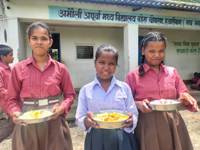
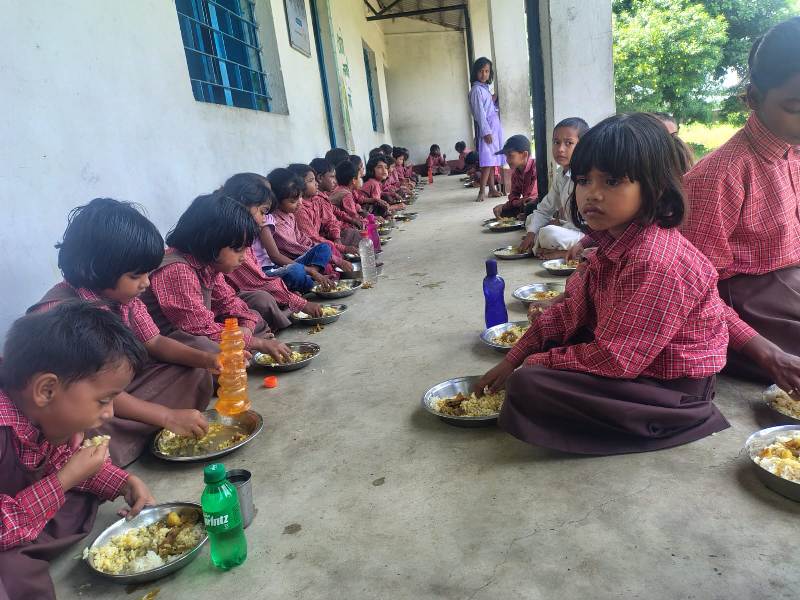 18 August 2026, Hazaribagh (Jharkhand): During the first fortnight of August, on 12 school days, schools run by Nav Bharat Jagriti Kendra (NBJK) and its sister organisation in Chouparan block of Hazaribagh district served 7,225 nutritious breakfasts and an equal number of lunches to their students, under Feeding India Programme with support from Eternal Foundation.
This food programme covered four schools—Amoli Apurva High School, Mangarh; Amoli Apurva Middle School, Bahera; Amoli Apurva Middle School, Prajapat Nagar; and Chandrakala Devi Daga High School, Kewaliya.
During the period, Amoli Apurva High School-Mangarh served 5,594 breakfasts and lunches, followed by Amoli Apurva Middle School-Bahera with 3,644, Amoli Apurva Middle School-Prajapat Nagar with 2,768, and Chandrakala Devi Daga High School-Kewaliya with 2,484 breakfasts and lunches.
Students received sprouted gram or green gram with milk for breakfast, while lunch consisted of rice, pulses and vegetables. With the support of Eternal Foundation, the programme aims to strengthen children’s nutrition and well-being while helping them remain energetic and focused on their studies.
Through this initiative, NBJK and its sister organisation continue to promote education alongside nutrition and child well-being, ensuring that children receive wholesome meals while pursuing their education.
NBJK Celebrates 80th Independence Day with Enthusiasm
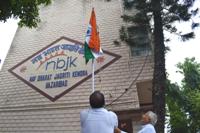
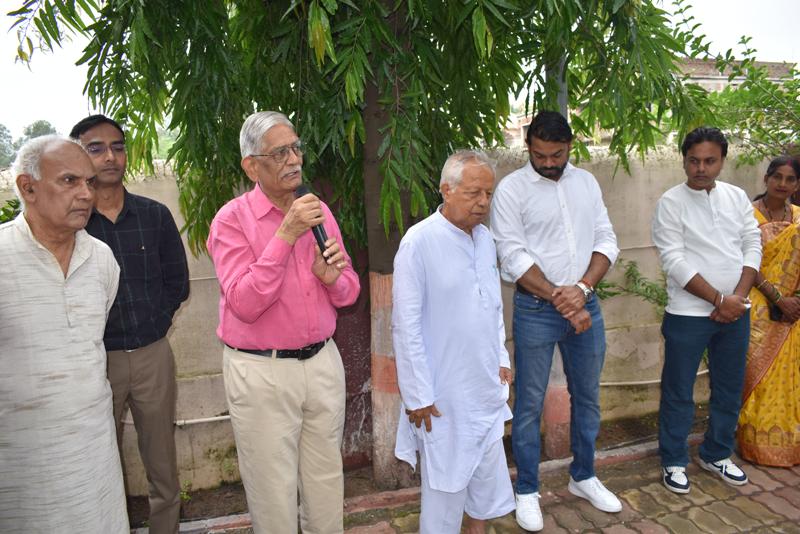 15 August 2026, Hazaribagh: Nav Bharat Jagriti Kendra (NBJK) celebrated the 80th Independence Day with enthusiasm at its Coordination Office in Amrit Nagar, Hazaribagh. The national flag was hoisted by Shri Girija Satish, President, NBJK, in the presence of staff members, local villagers, women and children.
Extending Independence Day greetings, Shri Girija Satish said that India continues to face several challenges that require collective efforts from the government and society. He particularly emphasized the need to build a drug-free society for the bright future of the younger generation, calling for both strong laws and widespread awareness campaigns.
Shri Satish Girija, Secretary, NBJK, spoke about the organisation’s work in education, healthcare, agriculture and livelihood development. He said that NBJK takes pride in contributing to nation-building and would further strengthen its efforts to benefit more people in the coming years.
Program Director Shri Gandharv Gaurav called upon young people to play an active role in eliminating casteism and communalism from society and promoting unity and social harmony.
Independence Day celebrations were also organised at NBJK-run schools, eye hospitals and branch offices, with enthusiastic participation from staff members and the local communities.
From Skill Development to Self-Reliance: Malti Inspires Rural Women
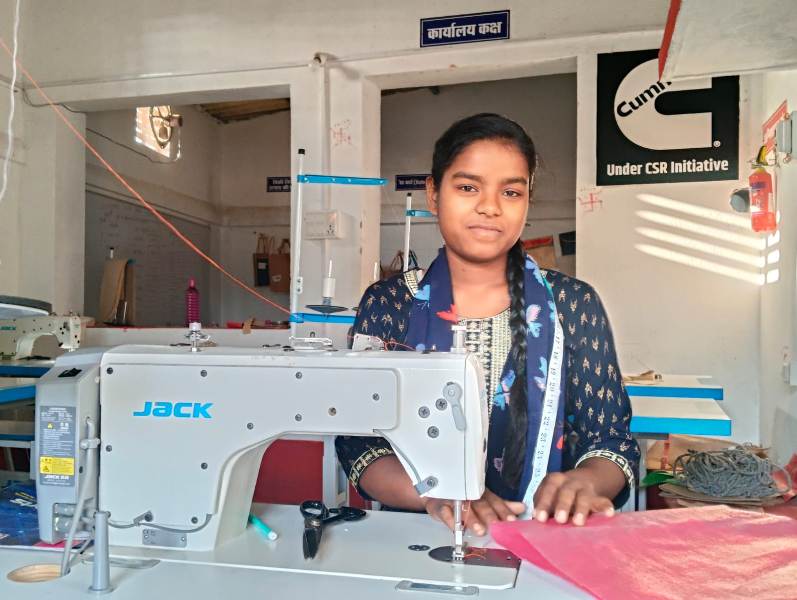 14 August 2026, Chhota Banki (Gulmuri, East Singhbhum): Twenty-one-year-old Malti Singh is emerging as an inspiring example of women’s empowerment through skill development and local livelihood opportunities.
About a year ago, she joined the Sunahari Jute Bag Production Kendra, established by Nav Bharat Jagriti Kendra (NBJK) under Model Village Project Chhota Banki with support of Cummins India Foundation, where she received training in jute bag production, along with leadership, communication and teamwork skills.
Today, Malti earns around ₹300–400 per day, supports her college education and contributes to her family’s income. She also supervises production and trains SHG members and institutions such as Tata Steel Foundation.
Her journey is inspiring other women in Chhota Banki to pursue livelihoods within the village rather than migrate for daily wage work.
Malti’s story demonstrates how skills, guidance and local livelihood opportunities can build confidence, dignity and self-reliance among rural women.
World Tribal Day Special: Tribal Women of Khunti Write a New Chapter of Self-Reliance
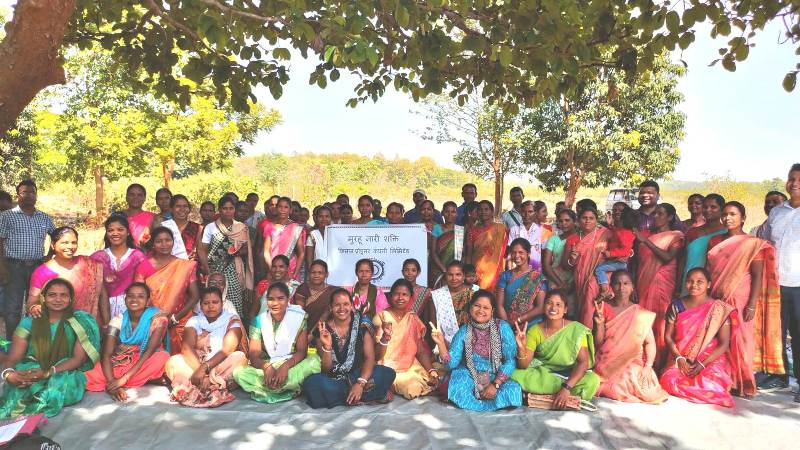 09 August 2026, Khunti (Jharkhand): On World Tribal Day, the tribal women of Murhu block in Khunti are demonstrating how collective ownership, traditional knowledge and women-led entrepreneurship can transform rural livelihoods.
Promoted by Nav Bharat Jagriti Kendra (NBJK) and Collectives for Integrated Livelihood Initiatives (CInI) – Tata Trusts, the Murhu Nari Shakti Kisan Producer Company Ltd. (MNSKPCL) has emerged as a strong example of tribal women-led economic empowerment.
More than 3,766 tribal women are shareholders and owners of the company, while over 8,113 farmers benefit from its services. Registered on 5 March 2018, MNSKPCL has an all-women Board of Directors that takes key decisions related to procurement, processing, marketing and financial management.
The company’s annual turnover has grown from ₹48 lakh in 2018–19 to ₹6.11 crore in 2025–26, with a target of ₹6.78 crore for 2026–27.
MNSKPCL is adding value to traditional products and livelihoods through Kodo millet flour, lac bangles and handicrafts, tamarind, mango, jackfruit, paddy, vegetables, goat, pig and poultry rearing, and fisheries.
The initiative has contributed significantly to household incomes. 4,620 families have achieved annual incomes above ₹1.20 lakh, while 6,690 families are engaged in two or more livelihood activities. In addition, 66 rural micro-entrepreneurs have been developed.
The journey reflects a wider transformation: tribal women are no longer merely beneficiaries of development programmes—they are shareholders, entrepreneurs and decision-makers shaping their own economic future. Their collective success demonstrates how sustained mentoring, local leadership and community ownership can create lasting pathways to self-reliance.